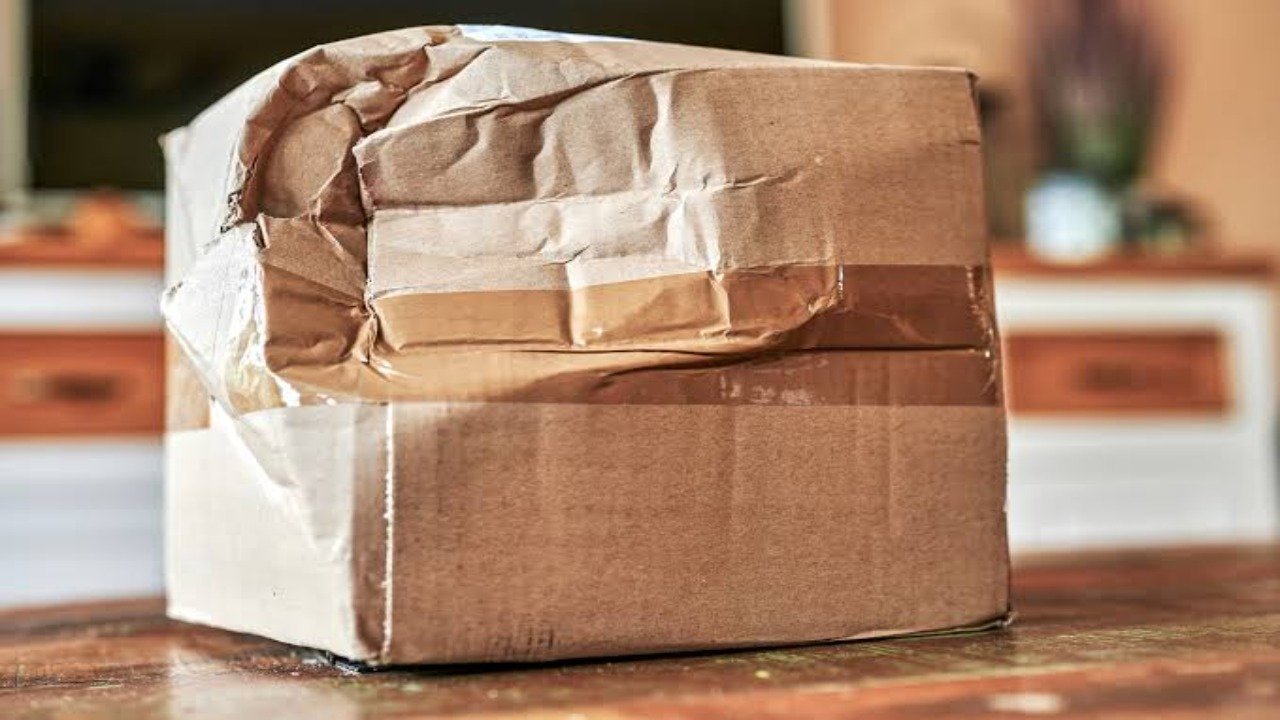

Moving to a new home or office can be an exciting experience, but discovering that some of your belongings have been damaged during transit can be frustrating. Even when you hire experienced packers and movers, unexpected situations such as rough road conditions, accidents, improper handling, or weather-related issues can sometimes lead to damaged items.
The good news is that taking the right steps immediately after delivery can help you resolve the issue quickly and increase your chances of receiving compensation if your shipment is covered by insurance.
This guide explains exactly what to do if your items are damaged during transit, how to document the damage, file a claim, and prevent similar issues in future moves.
Why Can Items Get Damaged During Transit?
Although professional movers take precautions, several factors can contribute to damage during transportation.
Some common causes include:
- Improper packing
- Poor loading techniques
- Vehicle accidents
- Sudden braking or sharp turns
- Rough road conditions
- Extreme weather
- Water damage
- Mishandling during loading or unloading
- Inadequate protection for fragile items
Understanding these risks highlights the importance of careful packing and choosing a reliable moving company.
Step 1: Inspect Your Belongings Immediately
As soon as your shipment arrives, inspect every item before the moving team leaves whenever possible.
Check for:
- Broken furniture
- Scratched appliances
- Cracked glass
- Damaged electronics
- Torn upholstery
- Water damage
- Missing parts
- Dented boxes
Even if everything looks fine from the outside, open the boxes containing fragile items and inspect them carefully.
Early inspection makes it easier to identify transit-related damage.
Step 2: Take Photos and Videos
Documentation is one of the most important parts of the claims process.
Take clear photographs of:
- Damaged items
- Damaged packaging
- Broken boxes
- Scratches or dents
- Serial numbers (if applicable)
- The overall condition of the shipment
If possible, record a short video while opening damaged boxes. This provides additional evidence that the damage occurred during transit.
Do not throw away the damaged packaging until the claim is resolved, as it may be required for inspection.
Step 3: Compare Items With Your Inventory List
Before signing the delivery documents, compare your shipment with the inventory list prepared before the move.
Check for:
- Missing boxes
- Missing furniture
- Damaged appliances
- Incorrect deliveries
- Lost accessories
Mark any discrepancies immediately on the delivery receipt.
A detailed inventory helps identify missing or damaged items quickly.
Step 4: Inform the Moving Company Immediately
Contact your packers and movers as soon as you notice the damage.
Provide:
- Your booking number
- Moving date
- Delivery address
- Description of the damage
- Photos and videos
- Inventory details
Most moving companies have specific time limits for reporting transit damage, so avoid unnecessary delays.
Prompt reporting demonstrates that the damage likely occurred during transportation.
Step 5: Review Your Insurance Coverage
If you purchased moving insurance, carefully review your policy.
Check:
- Coverage limits
- Exclusions
- Claim deadlines
- Required documents
- Deductibles (if applicable)
There are generally two common types of moving insurance:
Transit Insurance
Covers eligible damage that occurs while goods are being transported.
Comprehensive Insurance
Provides broader protection, including packing, loading, transportation, unloading, and unpacking, depending on the policy.
Understanding your coverage helps you determine whether your damaged items qualify for compensation.
Step 6: File an Insurance Claim
If your damage is covered, begin the claims process immediately.
You may need to submit:
- Insurance claim form
- Inventory list
- Moving contract
- Payment receipt
- Photographs
- Videos
- Repair estimates
- Purchase receipts (if available)
Submit all documents accurately to avoid delays in claim processing.
Step 7: Do Not Repair or Dispose of Damaged Items Immediately
Many people repair damaged furniture or discard broken items before the insurance company completes its inspection.
Avoid doing this.
The insurer or moving company may need to inspect the damaged goods before approving your claim.
Keep the items and packaging in their original condition until instructed otherwise.
Step 8: Keep All Communication in Writing
Whenever possible, communicate through email or written messages.
Maintain copies of:
- Emails
- Claim forms
- Receipts
- Photos
- Inspection reports
- Repair estimates
Written records create a clear timeline and help if any dispute arises during the claims process.
What If Your Shipment Was Not Insured?
If you did not purchase moving insurance, you should still contact the moving company.
Many reputable packers and movers have customer service procedures for resolving complaints.
Possible solutions may include:
- Repairing the damaged item
- Partial reimbursement
- Replacement assistance
- Discount on future services
The outcome depends on the company’s policies and the circumstances of the damage.
Tips to Prevent Transit Damage
While accidents cannot always be avoided, these precautions can significantly reduce the risk.
Choose Experienced Packers and Movers
Select a company with:
- Positive customer reviews
- Industry experience
- Proper licensing
- Insurance options
- Professional packing services
Purchase Moving Insurance
Insurance provides valuable financial protection if unexpected damage occurs.
Use Quality Packing Materials
Professional packing materials include:
- Bubble wrap
- Foam sheets
- Corrugated boxes
- Stretch wrap
- Corner protectors
- Packing paper
Quality materials offer better protection during transportation.
Label Fragile Items Clearly
Boxes containing glassware, electronics, artwork, and delicate items should be clearly marked as “Fragile.”
This encourages careful handling throughout the moving process.
Create a Detailed Inventory
A complete inventory makes it easier to track every item before and after the move.
Include photographs of valuable belongings before packing.
Common Mistakes to Avoid
Avoid these common errors if your belongings are damaged during transit:
- Waiting too long to report damage
- Throwing away damaged packaging
- Repairing items before inspection
- Signing delivery documents without inspection
- Losing important receipts
- Forgetting to photograph the damage
- Ignoring insurance deadlines
Taking prompt action improves the chances of a successful claim.
Final Thoughts
Discovering damaged belongings after a move can be disappointing, but staying calm and acting quickly can make a significant difference. Carefully inspect your shipment, document every issue with photos and videos, compare your items against the inventory list, and notify your moving company as soon as possible.
If you purchased moving insurance, follow the claims process outlined in your policy and provide all necessary documentation. Keeping accurate records and preserving damaged items until they are inspected can help avoid delays and improve the likelihood of receiving compensation.
The best way to minimize future risks is to hire experienced packers and movers, use professional packing materials, and choose appropriate insurance coverage. With proper preparation and the right moving partner, you can enjoy a safer and more secure relocation experience.
Frequently Asked Questions (FAQs)
1. What should I do first if my items are damaged during transit?
Inspect the damage immediately, take clear photos and videos, compare your shipment with the inventory list, and report the issue to your moving company as soon as possible.
2. Can I file a claim without moving insurance?
You can report the damage to the moving company, but compensation depends on their policies and the terms of your moving agreement. Insurance generally provides stronger financial protection.
3. How long do I have to report transit damage?
The reporting period varies by moving company and insurance provider. It’s best to report any damage immediately after delivery to avoid missing claim deadlines.
4. Should I throw away damaged boxes after unpacking?
No. Keep all damaged packaging and affected items until the moving company or insurance provider completes any required inspection.
5. How can I prevent damage during my next move?
Hire experienced packers and movers, use high-quality packing materials, label fragile items clearly, create a detailed inventory, and consider purchasing comprehensive moving insurance.