Office relocation is a major step for any business. Whether you’re moving to a larger office, relocating to a better location, or reducing operational costs, careful planning is essential. A well-organized office move minimizes downtime, protects valuable equipment, and ensures your employees can return to work quickly.
This guide explains everything you need to know about office relocation, including planning, packing, choosing the right movers, and avoiding common mistakes.
What Is Office Relocation?
Office relocation is the process of moving a business from one location to another. Unlike residential moving, office relocation involves transporting office furniture, computers, important documents, servers, and other business equipment while ensuring minimal disruption to daily operations.
A successful relocation requires proper planning, coordination, and professional handling.
Why Businesses Relocate
Businesses relocate for many reasons, including:
- Expanding into a larger workspace
- Reducing rental or operating costs
- Moving closer to customers or clients
- Improving employee accessibility
- Upgrading office facilities
- Supporting business growth
- Consolidating multiple office locations
Regardless of the reason, a strategic relocation plan can help ensure a smooth transition.
Benefits of Professional Office Relocation Services
Hiring professional office relocation experts offers several advantages.
Minimal Business Downtime
Professional movers work efficiently to reduce interruptions, allowing your business to resume operations as quickly as possible.
Safe Handling of Equipment
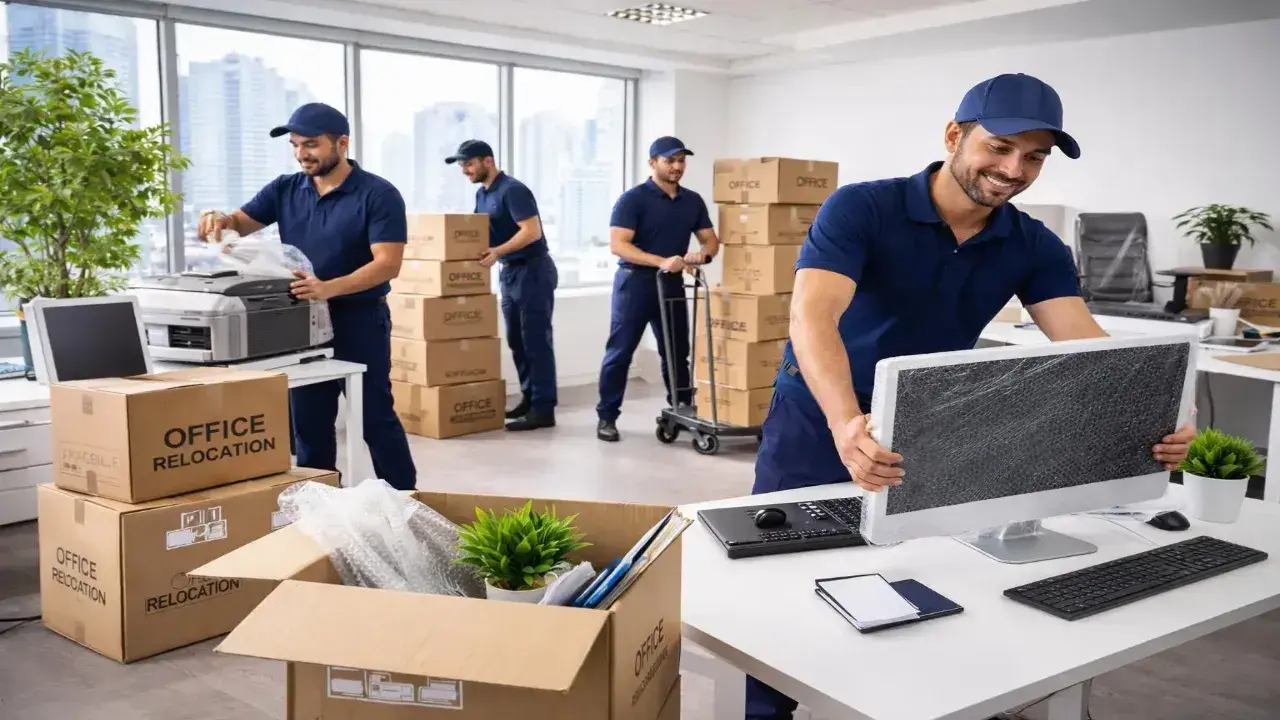
Office equipment such as computers, printers, monitors, servers, and office furniture requires careful handling. Experienced movers use quality packing materials and proper loading techniques to prevent damage.
Organized Packing and Labeling
Every box is labeled according to department or workstation, making unpacking faster and more organized.
Time and Cost Savings
A professional moving team completes the relocation faster than handling it internally, helping your business avoid unnecessary delays and expenses.
Insurance Coverage
Many professional movers provide transit insurance, offering added protection for valuable office assets during transportation.
Office Relocation Planning Checklist
Planning ahead is the key to a successful move.
1. Set a Moving Date
Choose a moving date that has the least impact on business operations. Many companies prefer weekends or holidays.
2. Create a Relocation Budget
Include costs for:
- Packing materials
- Transportation
- Insurance
- Office setup
- IT installation
- Cleaning services
- Unexpected expenses
3. Assign a Moving Coordinator
Designate one person or a relocation team to oversee the entire moving process and communicate with employees and movers.
4. Inform Employees
Notify employees well in advance and share the relocation schedule, responsibilities, and new office details.
5. Update Business Information
Remember to update your:
- Business website
- Google Business Profile
- Business cards
- Client records
- Bank details
- Utility providers
- Vendors and suppliers
How to Prepare for an Office Move
Declutter the Office
Before packing, remove unnecessary furniture, outdated equipment, and old documents. Moving fewer items saves both time and money.
Back Up Important Data
Always create backups of company files before disconnecting computers and servers. Store backups securely in the cloud or on external drives.
Inventory Office Assets
Prepare a complete inventory of furniture, electronics, office supplies, and important documents. This helps track every item during the move.
Label Everything Clearly
Use labels that include:
- Department name
- Employee name
- Box number
- Priority level
- Destination room
Proper labeling simplifies unpacking.
Packing Office Equipment Safely
Computers and Monitors
- Disconnect all cables carefully.
- Label cables before packing.
- Use anti-static packing materials.
- Pack monitors in protective boxes.
Office Furniture
Disassemble large furniture whenever possible. Keep screws and hardware in labeled bags.
Important Documents
Store confidential documents in sealed, labeled boxes. Sensitive records should remain under authorized supervision.
Electronics
Printers, scanners, networking devices, and projectors should be wrapped with bubble wrap and packed securely to prevent movement during transport.
Common Office Relocation Challenges
Businesses often face several challenges during relocation.
Business Downtime
Poor planning can interrupt operations. Schedule the move outside regular business hours whenever possible.
Lost Items
An organized inventory and proper labeling reduce the chances of misplaced equipment.
Equipment Damage
Using experienced movers and quality packing materials helps protect expensive office assets.
Employee Confusion
Clear communication keeps employees informed about responsibilities and timelines.
Choosing the Right Office Relocation Company
Not every moving company specializes in office relocation. Consider the following before hiring:
- Experience with commercial relocations
- Positive customer reviews
- Licensed and insured services
- Transparent pricing
- Quality packing materials
- GPS-enabled transportation
- Dedicated moving coordinator
- Transit insurance options
Always request a detailed quotation before making a decision.
Office Relocation Cost Factors
The total relocation cost depends on several factors:
- Distance between locations
- Office size
- Number of workstations
- Quantity of furniture
- Packing requirements
- Floor level
- Elevator availability
- Storage needs
- Special handling for IT equipment
- Insurance coverage
Comparing multiple quotations can help you choose the best value without compromising service quality.
After the Move
Once you arrive at the new office:
- Verify inventory against your checklist.
- Inspect furniture and equipment for damage.
- Reconnect computers and internet services.
- Test all office equipment.
- Arrange workstations efficiently.
- Dispose of packing materials responsibly.
- Update employees with the new office layout.
A structured setup helps your team return to normal operations quickly.
Common Mistakes to Avoid
Avoid these common office relocation mistakes:
- Waiting until the last minute to plan
- Hiring movers without checking reviews
- Ignoring insurance options
- Failing to back up important data
- Poor labeling of boxes
- Not informing clients and vendors
- Underestimating relocation costs
- Forgetting to update your business address
Proper planning can prevent unnecessary stress and expenses.
Final Thoughts
Office relocation is more than simply moving furniture from one place to another. It requires careful planning, organized packing, secure transportation, and efficient coordination to keep your business running smoothly.
By preparing early, creating a detailed relocation plan, and partnering with experienced office relocation professionals, businesses can reduce downtime, protect valuable equipment, and ensure a seamless transition into their new workspace. A well-executed office move not only supports business continuity but also creates a productive environment for future growth.
Frequently Asked Questions (FAQs)
1. How far in advance should I plan an office relocation?
It is recommended to begin planning at least 2–3 months before the moving date. Larger businesses may require even more time.
2. What is included in office relocation services?
Most professional office relocation services include packing, loading, transportation, unloading, unpacking, furniture assembly, and optional storage or insurance.
3. How can I reduce downtime during an office move?
Schedule the move during weekends or holidays, back up all business data, and hire experienced office movers who specialize in commercial relocations.
4. Is office relocation insurance necessary?
Yes. Insurance provides financial protection in case of accidental damage or loss during transportation.
5. How do I choose the best office relocation company?
Look for experience, customer reviews, transparent pricing, insurance coverage, trained staff, and a proven track record in commercial office moves.