Moving to a new home or office is an exciting milestone, but it also comes with its share of risks. During packing, loading, transportation, and unloading, your belongings may be exposed to accidental damage, theft, fire, or unforeseen events. Even the most experienced packers and movers cannot completely eliminate these risks.
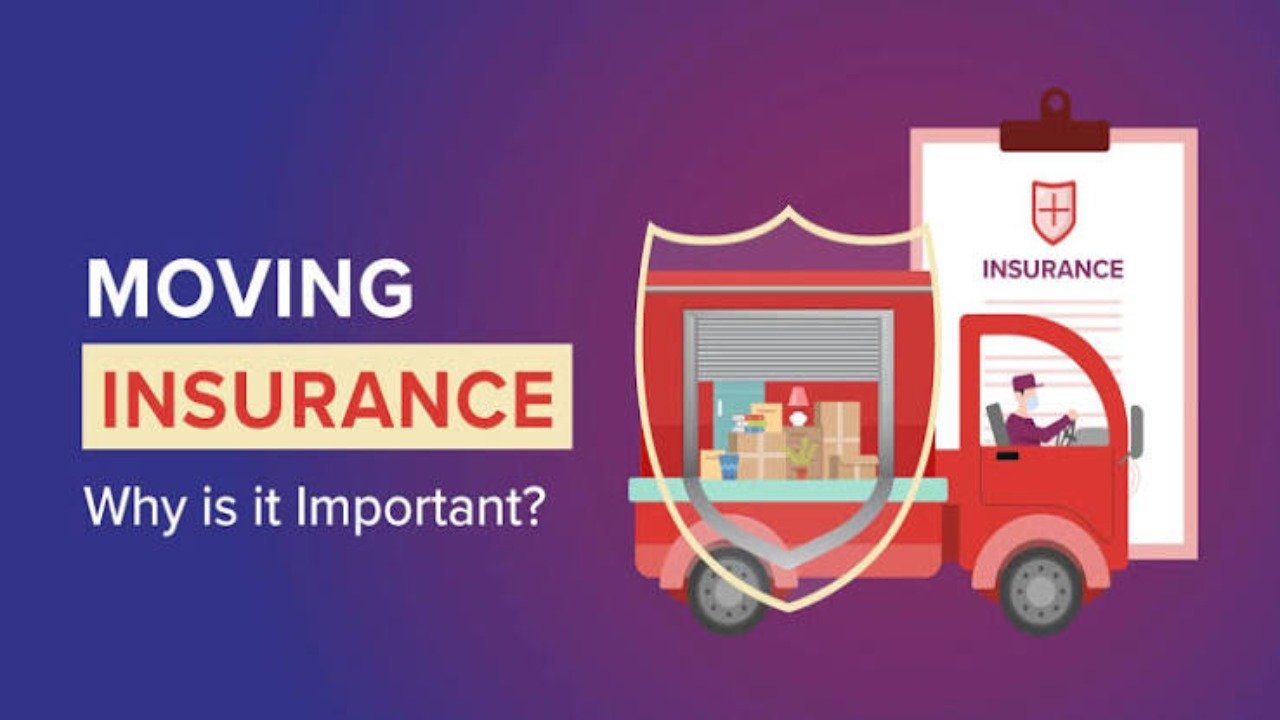
This is where moving insurance becomes essential. It provides financial protection for your valuable belongings, giving you peace of mind throughout the relocation process.
In this guide, we’ll explain why moving insurance is important, the different types of coverage available, and how it helps protect your possessions during a move.
What Is Moving Insurance?
Moving insurance is a type of protection that covers your belongings against financial loss if they are damaged, lost, or stolen while being moved from one location to another.
Whether you’re relocating your home, office, or vehicle, moving insurance helps reduce the financial impact of unexpected incidents during transit.
Many professional packers and movers offer insurance options as part of their relocation services, making it easier for customers to protect their valuable items.
Why Is Moving Insurance Important?
Many people believe that careful packing alone is enough to keep their belongings safe. While professional packing significantly reduces the risk of damage, accidents can still happen due to factors beyond anyone’s control.
Here are the main reasons why moving insurance is important.
1. Protection Against Accidental Damage
Furniture, electronics, glassware, and appliances can be damaged during loading, transportation, or unloading.
Moving insurance covers eligible repair or replacement costs, helping you avoid unexpected expenses.
2. Coverage for Natural Disasters
Unexpected events such as floods, storms, heavy rainfall, landslides, or earthquakes can affect transportation.
Insurance provides financial protection if your belongings are damaged because of these unforeseen situations.
3. Financial Security
Replacing expensive furniture, electronic devices, or office equipment can be costly.
Moving insurance reduces your financial burden by compensating you for covered losses.
4. Peace of Mind
Knowing that your belongings are insured allows you to focus on settling into your new home or office instead of worrying about potential damage.
5. Protection for High-Value Items
Jewelry, artwork, antiques, expensive electronics, musical instruments, and premium furniture often require additional protection.
Insurance helps safeguard these valuable possessions during transportation.
Types of Moving Insurance
Understanding the available insurance options helps you choose the right level of protection.
Transit Insurance
Transit insurance covers damage or loss that occurs while your belongings are being transported from one location to another.
It is one of the most common insurance options offered by packers and movers.
Comprehensive Insurance
Comprehensive insurance provides broader coverage.
It typically protects your belongings during:
- Packing
- Loading
- Transportation
- Unloading
- Unpacking
This option offers greater financial protection compared to basic transit insurance.
What Does Moving Insurance Cover?
Coverage may vary depending on the insurance provider and policy, but moving insurance often includes protection against:
- Accidental damage
- Fire
- Theft
- Vehicle accidents
- Natural disasters
- Damage during loading and unloading
- Loss of goods during transportation
Always read the policy carefully to understand exactly what is included.
What Is Usually Not Covered?
Most moving insurance policies have certain exclusions.
Common exclusions include:
- Improper self-packing
- Existing damage before the move
- Wear and tear
- Cash and important documents
- Illegal or prohibited items
- Mechanical or electrical failure unrelated to the move
Understanding these exclusions helps avoid misunderstandings during the claims process.
Who Should Buy Moving Insurance?
Moving insurance is highly recommended for:
- Families relocating long distances
- Businesses shifting offices
- People transporting luxury furniture
- Vehicle transportation customers
- Interstate relocations
- International moves
- Anyone moving expensive electronics or fragile items
Even for local moves, insurance offers valuable protection against unexpected incidents.
Benefits of Moving Insurance
Protects Your Investment
Your household or office belongings represent a significant investment. Insurance helps preserve that value by covering eligible losses.
Reduces Financial Stress
Instead of paying out of pocket for damaged items, insurance provides compensation according to the policy terms.
Encourages Professional Handling
When shipments are insured, professional movers often follow strict handling procedures to minimize risks.
Supports Faster Recovery
If something goes wrong during the move, insurance can help you repair or replace damaged items more quickly.
Tips to Maximize Your Insurance Coverage
To make the most of your moving insurance:
Create an Inventory
Prepare a complete list of all items being moved.
Include:
- Item descriptions
- Estimated value
- Quantity
- Serial numbers (for electronics)
- Photos of valuable items
Keep Important Documents
Save copies of:
- Insurance policy
- Moving contract
- Payment receipts
- Inventory list
These documents are useful if you need to file a claim.
Photograph Valuable Items
Take clear photographs before packing.
These images can help prove the item’s condition before transportation.
Read the Policy Carefully
Understand:
- Coverage limits
- Exclusions
- Deductibles (if any)
- Claim procedures
- Time limits for reporting damage
Report Damage Immediately
Inspect your belongings as soon as they arrive.
If you notice any damage, inform the moving company and insurance provider immediately.
How to File a Moving Insurance Claim
The claims process generally includes these steps:
- Inspect your belongings after delivery.
- Document any damage with photos and videos.
- Notify the moving company promptly.
- Submit the required claim form.
- Attach supporting documents such as receipts, inventory lists, and photographs.
- Cooperate with the insurance company’s inspection if required.
- Wait for claim evaluation and settlement according to the policy.
Prompt reporting increases the chances of a smooth claims process.
Common Myths About Moving Insurance
“Professional Movers Never Damage Anything”
Even experienced movers cannot prevent every accident. Road conditions, weather, and unforeseen events can still cause damage.
“Insurance Is Too Expensive”
Compared to the cost of replacing expensive furniture or electronics, moving insurance is often an affordable investment.
“I Don’t Need Insurance for a Local Move”
Accidents can happen even during short-distance relocations. Insurance provides additional security regardless of the distance.
“All Items Are Automatically Covered”
Coverage depends on the specific insurance policy. Always verify what is included before your move.
Choosing a Packers and Movers Company That Offers Insurance
When selecting a moving company, look for:
- Licensed and experienced professionals
- Transparent pricing
- Transit insurance options
- Positive customer reviews
- Proper packing materials
- Secure transportation
- Clear claim procedures
- Responsive customer support
Choosing a reliable mover with insurance services helps ensure a safer relocation experience.
Final Thoughts
Relocating your home or office involves transporting belongings that often represent years of investment and memories. While professional packers and movers take every precaution to ensure a safe move, unexpected situations can still occur.
Moving insurance provides an extra layer of protection by covering eligible losses caused by accidents, theft, fire, or natural disasters. Whether you’re moving across town or across the country, investing in insurance can save you from significant financial loss and unnecessary stress.
Before your next move, discuss insurance options with your moving company, understand the policy details, and choose the coverage that best suits your needs. A small investment in moving insurance today can provide valuable peace of mind throughout your relocation journey.
Frequently Asked Questions (FAQs)
1. Is moving insurance mandatory?
No, moving insurance is generally optional, but it is highly recommended to protect your belongings from unexpected damage or loss.
2. Does moving insurance cover all household items?
Coverage depends on the policy. Some high-value items or specific belongings may require additional coverage or may have exclusions.
3. What is the difference between transit insurance and comprehensive insurance?
Transit insurance covers damage during transportation, while comprehensive insurance typically includes protection during packing, loading, transit, unloading, and unpacking.
4. How much does moving insurance cost?
The cost varies based on the value of your belongings, the type of coverage, and the distance of the move.
5. Can I purchase moving insurance separately?
Yes. In many cases, you can buy moving insurance through your moving company or directly from an insurance provider, depending on your relocation needs.